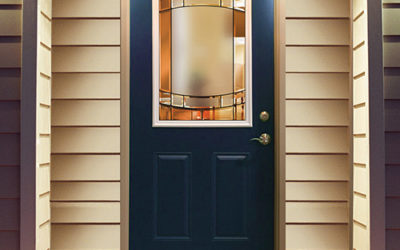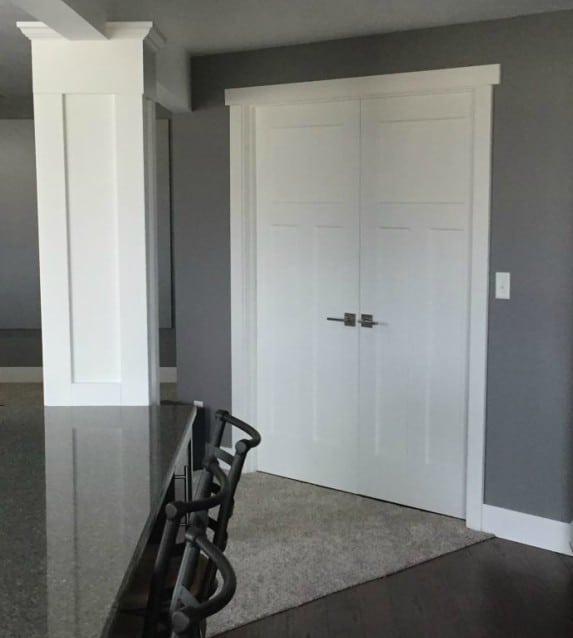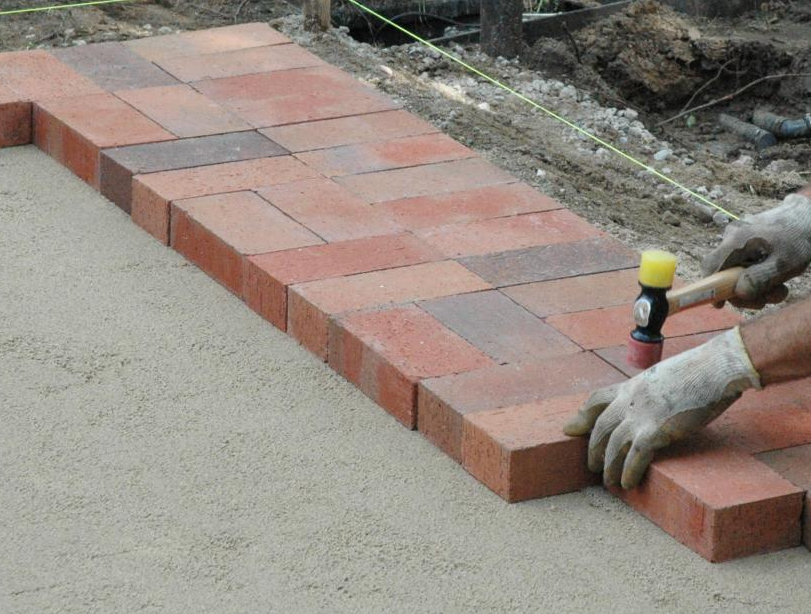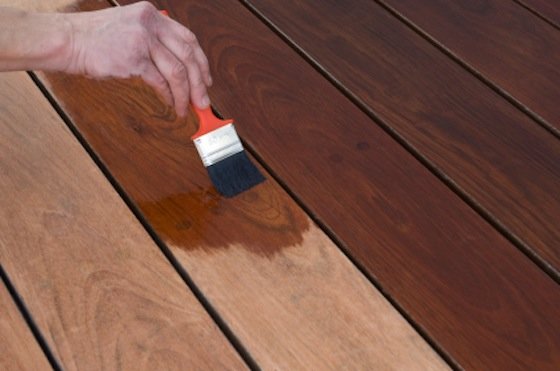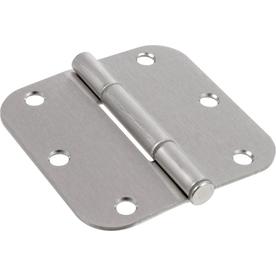
How did your door hanging go? Other "Do-It-Yourselfers" would like to know. Tell us your door installation story. Post it here so others can learn how to hang a door from your experience.

Or maybe you just want to visit EZ-HANGâ„¢ Blog to read what others have to say. It's not just for door questions. So go ahead check it out!

You can also use the SEARCH button in the upper right hand corner to search your specific topic or door installation question.

5 Reasons Not To Hire A Contractor

Check references on contractors


So you have saved money, scrimped on the family vacations for years, or just eliminated them all together to save up for that dream house or addition. Even if you are just hiring someone to put on a new roof or fix some of those nagging problems around the house, here are few things you shouldn't hear when hiring a contractor.


"I need all or 1/2 of the money upfront".


If a builder needs all the money upfront, chances are they are not someone you should be dealing with. Depending on the size of the job, 1/3 down is an amount that gives the contractor some assurance you are invested in the project and gives him some money to pay for materials.


"I only use good subs".


Make sure you know who will be working on your house. If the contractor himself doesn't physically do the work, ask around about his employees or sub contractor. A bad sub can turn the project into a nightmare even when everything else goes smoothly. Make sure you check references not only on the contractor but sub contractors also.


"I'll throw that in if I get the job"


Contractors rarely throw something in. Make sure any additions to your contract state the work to done. Memories become forgetful as time passes. If it's not in writing they don't have to complete it. Just exercise diligence when asking for add on's. Changes are most cost effective for you when you do them before the project starts or better yet before you hire someone. Always have change orders done in writing prior to the work being completed.


"I'm licensed and I build to code"


Just because an individual has a license doesn't mean you will get quality workmanship. Good quality comes from experience and commitment to learning the trade; not purchasing or securing a license. Don't forget code is the minimum standard that all builders must abide by. Would you want a doctor performing an operation on you that knows the minimum way to complete the procedure? I wouldn't, neither should you hire a contractor that is only willing to do the minimum. Don't get me wrong, I have seen over-kill that is just wasting a homeowners money. Again, this is why you need to check out the previous work of your potential contractor.


"You don't need a special person or license for that, we can do it cheaper"

Beware of a builder wanting to remove things like asbestos or lead from your home unless he is qualified. EPA requires special training and certification for removal of materials considered harmful.  If you are renovating, be sure your builder is RRP certified. You could be held liable yourself if you let someone work on your property and they don't comply with requirements.


Summary:


Always check references

Make sure contractor is insured

Check for a vaild license


Posted by info@ezhangdoor.com at 12:31 PM | 0 comments

Proper Plywood Spacing

Proper spacing for floor and wall sheathing is essential to let sheet material like OSB or plywood to expand and contract properly. Always check the back of the sheet good for the proper span required for the material you are installing. If the plywood is certified by the American Plywood Association (APA), it will have a stamp on the back that looks like this:


APA Stamp


As you can see there is a lot of information on the stamp. Take the time to look it over and make sure the thickness of the material you are using is suitable for the span you have for your framing. If the sheathing is over-spanned you will surely end up with sagging between your framing members.


If you don't space the panels apart from each other you will eventually get buckles or dips caused from the edges of the sheets pressing against each other as they expand. A good tip is use a nail between the sheets to give a consistent gap. Space the ends and the length of the panel.


OSB


Sheet goods are dried at the factory to a moisture content below what is normal humidity conditions. Therefore, expansion is sure to happen as the wood takes on normal moisture levels from the air, not to mention if the project gets a couple rains before the project is complete.

Posted by info@ezhangdoor.com at 11:29 AM | 0 comments

Egress Window Well

There are some limitations, but most codes require an egress window in a basement for new construction. Often times this window will also need an egress window well. That can lead to more building code requirements on the size of the window well and its depth (one thing leads to another).


Metal Window Well


Window Wells/Area Wells:
Required where window opening sill height is below ground elevation.
Horizontal dimensions: = 9 sq.ft. (width x projection)
Horizontal projection: = 36 "


Ladders:
Required on window wells deeper than 44" and must be permanently attached.
Ladder may encroach into well up to 6".
Step distance between rungs: = 18"
Rungs:12" wide or greater and must project a minimum of 3" away from wall but maximum of 6".


Grates:
Shall be removable without special tools.


Posted by info@ezhangdoor.com at 11:34 AM | 0 comments

Landings At Exterior Doors

Landing, no landing. what is a landing? Door landings can be a source of confusion for many, homeowners and builders alike. While every situation is different, most codes are consistent on the code requirements for landings at exterior doors.


Here is a copy of the code section from the IRC:


- R311.4.3 Landings at doors. There shall be a floor or landing on each side of each exterior door. The floor or landing at the exterior door shall not be more than 1.5 inches (38 mm) lower than the top of the threshold. The landing shall be permitted to have a slope not to exceed 0.25 unit vertical in 12 units horizontal (2-percent).
- -Exceptions:
- - - 1. Where a stairway of two or fewer risers is located on the exterior side of a door, other than the required exit door, a landing is not required for the exterior side of the door provided the door, other than an exterior storm or screen door does not swing over the stairway.
- - - 2. The exterior landing at an exterior doorway shall not be more than 73/4 inches (196 mm) below the top of the threshold, provided the door, other than an exterior storm or screen door does not swing over the landing.
- - - 3. The height of floors at exterior doors other than the exit door required by Section R311.4.1 shall not be more than 73/4 inches (186 mm) lower than the top of the threshold.
- - The width of each landing shall not be less than the door
served. Every landing shall have a minimum dimension of
36 inches (914 mm) measured in the direction of travel.


The points here are relatively clear, when in doubt consult with your local building official prior to constructing or not constructing a landing for your project.

Posted by info@ezhangdoor.com at 9:56 AM | 0 comments

Picking And Hiring A Contractor

Homeowners pick contractors and to some extent contractors pick or decide whether or not they want to work for a homeowner. Getting a good fit is essential for a smooth project. Check this list from the NAHB, I found it helpful.


Checklist for Finding and Hiring a Builder or Remodeler

Doing your homework will help you have a more successful experience.


Use this checklist to help you select a home builder or home remodeler to work on or build your home:


  • Contact your local home builders’ association for the names of member builders and remodelers: www.nahb.org/findanhba. You can also ask family, friends or coworkers for recommendations.
  • Make sure the builder or home remodeler has a permanent business location and a good reputation with local banks and suppliers.
  • Find out how long they have been in the building business. It usually takes three to five years to establish a financially sound business. You want to make sure they will be around after the construction is complete to service any warranties.
  • Check out the company's rating and if there have been any complaints filed with your local Better Business Bureau: www.bbb.org.
  • Make sure the builder/remodeler has sufficient workers compensation and general liability insurance. If not, you may be liable for any construction-related accidents on your premises.
  • Ask the builder/remodeler to provide you with names of previous customers. If they won't, beware. If they do, ask the customers if they would hire the builder/remodeler again.
  • Ask if you can see the builder/remodelers work, both completed and in progress. Check for quality of workmanship and materials.
  • Do you feel you can easily communicate with the builder/remodeler? Remember you will be in close contact with them throughout the construction process and afterward as you live in your new home.
  • Make sure the builder/remodeler provides you with a complete and clearly written contract. The contract will benefit both of you. If you are having a new home built, get and review a copy of the home warranty and homeowner manual as well.
  • Be cautious of unusually low-priced bids. If the builder/remodeler is unable to pay for the materials and labor as the project proceeds, this may indicate a potential problem. Keep in mind that less expensive does not necessarily mean better!
Posted by info@ezhangdoor.com at 12:32 PM | 0 comments

Custom Trim - Updating Doors With New Trim


Door Trim


Changing door trim or upgrading your trim when installing news door is an option that you should consider. A classy trim can really set off the doors and windows in a home.


Endless profiles are available to meet your budget, style and taste. Many trims are made from MDF that make the possiblities endless. This particular header piece is one piece moulded from MDF.


Using a good quality paint on the trim is a sure way to make the woodwork "pop".  Here are some good tips for painting trim and filling nail heads.


Use a high tooth number sharp blade for cutting trim. This will make the trim installation look and go much smoother.


Ask to see samples of profiles from your local lumber yard. Even take a few home to see how they look or match up in your home.

Posted by info@ezhangdoor.com at 10:41 AM | 0 comments

Three Point Locking Doors

When purchasing a French door beware of the quality. You can spend a lot of money and not be happy with a very expensive door. French doors have both operating panels which makes it difficult to get a good weather tight seal. A good thing to look for when buying new doors is a three point locking system. This system locks the door at the knob as normal and at the top and bottom of the door.


This is especially important for wood doors as they tend to take on moisture with the seasons. This causes expansion and contraction and in some cases warping the door.


Using the three point locking system will eliminate most problems with air leakage or moisture problems.


Doors

Posted by info@ezhangdoor.com at 3:29 PM | 0 comments

Concrete Control Joints

What is the purpose of a concrete control joint. First let explain what they are, a control joint gives concrete a place to crack. When concrete drys it shrinks. It goes from a plastic - or liquid state to a solid state. When the water leaves the concrete gets slightly smaller, so in a sense, it pulls away  from itself. Concrete is strong in compression but weak in tension.


Creating a weak point with a control joint gives a start for the crack to form. This way you can plan where you want the cracks to be. Try to keep the concrete in squares not retangles when you cut it. Cut off corners as this is a normal expansion contraction spot.


Joints can be put in a few different ways:


  1. Put in the concrete when wet
  2. Cut in after the concrete sets enough to walk on  without scuffing
  3. Set a POW (point of weakness) metal strip in the concrete when pouring


The depth of the control joint needs to be a minimum of 1/4 the thickness of the slab. So if the slab is 4" thick, the saw cut has to be 1" deep.


Control joints control where the slab should crack. They don't always work that way, but without them you're sure to get many unsightly cracks.


Control Joint

Posted by info@ezhangdoor.com at 11:03 AM | 0 comments

Common Missed Areas When Caulking Exterior Doors

Installing exterior doors is a project you need to do correctly. If you don't, it won't be long before you are repairing or even replacing your work. Aside from using EZ-Hang™ to install your exterior door, there are a few things you can do to add to the longevity of the installation. One is installing drip cap.  Another important thing that gets missed is exterior caulking. There are a few critical areas outside the door that need attention.


  1. Caulk where the brick moulding meets the wall- place a bead of caulk around the rough opening prior to setting the door
  2. Caulk the joint where the brick moulding meets the door jamb
  3. Caulk where the sill meets the jamb - this one is vey commonly not completed


Caulk Door


Failure to complete or skips steps for a proper door installation could result in water infiltration into the building. This can cause rotting and eventually will lead to repair of the structure.

Posted by info@ezhangdoor.com at 8:02 PM | 0 comments

How to Paint In A Straight Line

Painting in a straight line can be difficult to master. I have tried almost everything. I have not had good luck when taping corners where they meet ceilings. This can be a hard spot to get a straight looking line as the drywall in the corner is usually never quite square. In fact some drywall corner tools actually put a small rounded edge in the corner. That really makes it tough!. Then add in a contrasting color with a white ceiling and dark colored walls. It can be a nightmare that's hard to wake up from.


Here a few tips that I found work the best for me:

  1. Use a sash brush that is cut on an angle
  2. Paint the ceiling first
  3. Cut in the first coat of the wall and leave it down about an 1/8" - this will keep you from getting paint on the ceiling the first time around and you'll only need a steady hand for the final coat
  4. Don't get too much paint on the brush, however, too little isn't good either. You'll need enough to run a line about 12 inches long
  5. Paint with the edges and point of the brush


These tips along with patients and a steady hand yield sharp looking corners. Just take your time and have fun with it.


Painting a straight line

Posted by info@ezhangdoor.com at 2:45 PM | 0 comments

Tips For Installing Pocket Doors

Pocket doors can be a great way to conserve space when you have a small room or just don't have a good way for the door to swing open. However, making a good choice on the type of hardware and framing is essential for the pocket door to perform well and stay performing well.


Here are a few tips:

  • Use hardware with metal wrapped studs. Tthis will keep the framing from warping over time as the framing is normally only 3/4" thick and is prone to warping.
  • Use the best track system for the door. There have been some great rail and roller systems introduced into the market in the past few years that make the door nearly impossible to de-rail. These are a three wheeled roller system.
  • When remodeling, plan ahead for problems that may arise, such as electrical or plumbing the wall. Remember the rough opening will need to be twice the size of the door in order for it to be opened into the wall cavity.
  • Plan ahead for the flooring thickness. You don't want a big gap under the door. Normal spacing under the door should be no more than 3/4". On that same note, be sure to raise the pocket door frame if thicker flooring will be nstalled. You also don't want to remove the pocket door once it is installed because it rubs on the floor.
  • Determine if the door will need a lock for privacy. This will require a bore into the jamb to receive the locking hardware.
Posted by info@ezhangdoor.com at 9:44 AM | 0 comments

Drywall Cracks Above Doors

Drywall cracking above doors can be common. Why does this happen? How can you control it? When is it a sign of something more serious? These are all questions I will try to answer for you. 


Why is cracking above doors common? The biggest reason is the wall framing is cut out for the door opening. This causes a weak spot in the drywall joint. Cracks want to start from corners, as this is a normal expansion and contraction spot.  I'm sure you have heard the phrase "a chain is only as strong as it's weakest link". Framing is not unlike anything else, the weak point is always the first to give or break.


How do we help control this? One way would be to install a "V" or control joint where the drywall is joined across the door header. You often see this in large or commercial buildings. This method is quite similar to a control joint you would see in concrete.  In home building, an easier solution would be not to add a joint above the door. While you may use a little more footage of drywall, it is the best method to eliminate those hairline cracks that happen above the door. If you do have a joint over a door or window, don't over fasten the joint. This will in itself cause a crack. I would recommend one fastener and the top plate and one at the top of the door opening. This allows the drywall to somewhat "float" and decreases the chances of cracking. 


Minor cracks in drywall are just a normal part of expansion and contraction of your home as it goes from season to season. You should start looking for other problems when the joints are opening up larger than a 1/4" and doors start getting out of adjustment or won't open and close properly. This can be a sign of foundation settling or problems with wood truss uplift. It you see cracking as described, you should get a trained professional in to investigate the problem. 


Drywall Crack Off Corner

Posted by info@ezhangdoor.com at 10:02 AM | 0 comments

Building In The Winter

Winter Construction


Snow, snow and more snow. Why does it always seem to happen once you start a building project? While building in the winter can have the obvious draw-backs, there are some positive things from winter construction.


The first you need to accomplish is getting the foundation in when you have good weather. That is the most important part of winter building. Concrete really needs warmer temps in order to cure properly. I once started a house build that we poured the foundation on in 50 degree weather and the next two days the temps plunged to below zero with wind chills of -20 degrees!! The foundation had chloride added so it didn't freeze, but I must tell you the foundation walls didn't start to properly cure until the heat was turned on in the house. Moisture was then able to dissapate from the concrete.


So let's look at some of the positives of winter building.

  • Contractors are generally less busy and can spend more time with you and making sure your project is on the fast track
  • Cold temperature means dry air, normally when it rains everything gets soaked. When it snows, covers floors with tarps or removal of the snow can actually leave you with a dryer surface.
  • Finishing drywall can actually dry faster in cold dry air vs. warm humid air, open the windows and exchange the moisture filled house with the outside cold dry air. This will aid in drying times of drywall mudd.
  • No sunburns, ok that maybe a negative...


The real key to building in bad weather is to use a builder that's got the equipment and experience to handle extreme conditions.Things like portable heaters, snow plows, heat blankets and tarps.


Just get started on the job and make quick progress, working long days if necessary (although daylight is normall shortened), until the framing of the building is up and weather tight. It's not as hard as you might think and once your shelled in you have a place to work all winter!

Posted by info@ezhangdoor.com at 12:00 AM | 0 comments

Preparing For Building Inspections


Wall Framing


Once you have all the pre-required permits, you will need to apply for a building permit. You will need copies of all the required pre-permits and a copy of your building plans to submit to the building department. The cost of the permit is normally determined by the cost of the project. The bigger the project the higher the cost. Once submitted the building department will review your file and verify you have all required permits and drawings. The building inspector will perform what is called a plan review of your plans,checking for code compliance and safety items. If your plans are complete and code compliant you would then be issued a building permit for your project.


Inspections are broken down into segments. The building inspector wants to see your work before too much is completed and changes can be made without too much hassle. Inspections and the number of inspections can vary greatly by jurisdiction. Be sure to get the list of required inspections from your building department.


Let just touch on a few of the big inspections:

  1. Footing/ foundation- this inspection in done after your footing are dug and form boards are in place and prior to pouring concrete.
  2. Rough-inspection is completed after the floor, wall and roof framing is completed. You will also need to have all of your rough mechanical, plumbing and electrical installed and inspected prior to scheduling your rough building inspection.
  3. Final- this one is key. Final means final. Nothing will tick off a building inspector more than asking for a final inspection before the project is complete. This means paint, doors installed and trim applied, flooring siding and everything else in the house.

There you have it. The process is quite orderly and simple if you know the proper steps. Work with your local building department and inspector for a smooth running and code compliant project.

Posted by info@ezhangdoor.com at 11:07 AM | 0 comments

Vinyl Replacement Windows

When deciding about replacing your windows, you need to give a couple things consideration. The first being, what shape are your existing frames in? Are they rotten, square, plumb and level?


If they are in good shape, you can consider a vinyl replacement window, sometimes called a pocket window. This will allow you to leave the interior trim and exterior siding intact. Unlike a new window, you are only removing the old sashes and inserting a replacement with sashes and a new jamb for the sashes to ride in.


Attach your new pocket window to the old jambs with screws through the new jambs and into the old. Use window expansion foam for any large cracks and caulk both the interior and exterior. Be prepared to add new stops and add some fresh paint for a quality looking job.


Often times if you plan ahead, you can get new windows made to fit your old window sizes. You will need to measure carefully so the new replacement fits perfectly. Your new window will need to be slightly undersized to allow room for making small adjustments.


A slight draw-back to replacement windows are, you normally end up with a slightly smaller glass size. Be careful if you are replacing a bedroom window that requires egress. Check to verify you're not getting smaller than the building code requires.


Replacement Window

Posted by info@ezhangdoor.com at 12:16 PM | 3 comments

Can A Door Swing Over Stairs?

Doors swinging over stairs create a hazard and they are a building code violation. An un-expecting person climbing the stairs can be knocked backwards leading to a very dangerous fall. Doors are allowed to swing in the direction of stairs with a proper landing at the top and bottom. Note the building code section below for clarification.


From the 2006 IRC.

- R311.4.3 Landings at doors.
There shall be a floor or landing on each side of each exterior door. The floor or landing at the exterior door shall not be more than 1.5 inches (38 mm) lower than the top of the threshold. The landing shall be permitted to have a slope not to exceed 0.25 unit vertical in 12 units horizontal (2-percent).

- - Exceptions:

- - - 1. Where a stairway of two or fewer risers is located on the exterior side of a door, other than the required exit door, a landing is not required for the exterior side of the door provided the door, other than an exterior storm or screen door does not swing over the stairway.
- - - 2. The exterior landing at an exterior doorway shall not be more than 73/4 inches (196 mm) below the top of the threshold, provided the door, other than an exterior storm or screen door does not swing over the landing.
- - - 3. The height of floors at exterior doors other than the exit door required by Section R311.4.1 shall not be more than 73/4 inches (186 mm) lower than the top of the threshold.
- - The width of each landing shall not be less than the door served. Every landing shall have a minimum dimension of 36 inches (914 mm) measured in the direction of travel.


Doors Swinging Away From Stairs


Posted by info@ezhangdoor.com at 10:08 PM | 0 comments

What Is An Egress Window?

What is does it mean when you hear this; "You'll need an egress window in the basement or in the bedroom". An Egress window is a regular window, it just needs to have certain opening requirements.

 So what are those special measurements you need? Keep these numbers in mind when you are required to have means of egress through a window.

  • Height off floor to sill opening = 44 inches
  • Minimum width clear opening = 20 inches
  • Minimum opening height = 24 inches
  • Total area square inches = 5.7 sq. ft.

Now you have to be aware that a window with 20 inches width and 24 inches inches height alone will not meet the minimum 5.7 sq. ft. size. Those two dimensions are just that, minimum openings.


Egress window and well

Posted by info@ezhangdoor.com at 2:26 PM | 1 comments

Quick Tip For Framing Door Openings

When building walls, a typical way to frame them is when they are laying down. A good tip is to NOT cut out the bottom plate where the door will be until all the framing is completed. This will aid in keeping the bottom of the walls in the same plane or even with each other leading to a smoother door installation and straight looking walls.


                              *Cut out plate after wall is raised and secured to the floor

Posted by info@ezhangdoor.com at 2:25 PM | 1 comments

Shimming A Door

Wondering how to shim a door? Using shims or wedges is a centuries old method that does work. The problem is, it's a tough job to get correct the first time without lots of practice or having someone walk you through the process.


Using the EZ-Hang Bracket System is a much simplier method and will increase the accuracy and speed of even the best shimmers. Here are some tips that will help for those of you that still want to shim your doors.

 Remove Excess Shims

Posted by info@ezhangdoor.com at 9:53 AM | 0 comments

Width Of An Exit Door

Often times people are surprised to find out building code normally only requires one exit door in a residential home. So what size does that door need to be? A 36" wide side hinged entry door meets that standard building code. 


Entry door

Posted by info@ezhangdoor.com at 5:29 PM | 0 comments

What Is Height Of A Deck Before It Needs A Railing?

Often times you want a nice deck without the obstructing view of a railing. So how high can your deck be off the ground before building code requires a guard railing. Surprisingly most building codes allow a height of 30 inches off grade before the guard rail requirements kick-in.


This doesn't mean you can't have a deck under 30 inches and have a railing on it. It just means you are not required to put one unless it's higher than 30" from the grade around it.


I have also heard of Insurance companies checking homes they have insured for this building code requirement. So be aware, if you have a deck over that 30 inches, it may be a good idea to look at installing a railing system for safety.


Deck Railing Height


Posted by info@ezhangdoor.com at 12:40 PM | 0 comments

Securing A Heavy Or Solid Core Door

Heavy doors require a little extra attention when installing them. Nothing really difficult,  just an added step.


Remove the center screw from the top hinge and replace it with a 2-1/2" screw into the wall stud.  This will help secure the weight your solid core door over the long-haul. This can be done all hinge three hinges if desired, however, the top hinge is holding most of the heavy doors weight.

Long Screw For Heavy Doors

Posted by info@ezhangdoor.com at 5:47 PM | 0 comments

Like what you read? Share this with your friends and family using the icons below.

Sign Up for Our Newsletter!
|  Mindscape